

4
Focus Keyword: Anxiety Disorder Symptoms
SEO Title: Anxiety Disorder Symptoms: Complete Home Treatment Guide (2026)
Meta Description: Learn the common anxiety disorder symptoms and discover practical home strategies that may help reduce anxiety alongside professional care when needed.
URL Slug: anxiety-disorder-symptoms-home-treatment-guide
Anxiety Disorder Symptoms: Complete Home Treatment Guide
Anxiety is a normal response to stress, but when it becomes frequent, intense, or interferes with daily life, it may be part of an anxiety disorder. Many people experience symptoms that affect their work, relationships, sleep, and overall well-being. While professional treatment is often important, healthy habits at home can also help manage symptoms.
This guide explains common anxiety disorder symptoms and practical home strategies that may support better mental health.
Common Anxiety Disorder Symptoms
Symptoms can vary from person to person, but common signs include:
- Excessive worrying
- Feeling nervous or restless
- Rapid heartbeat
- Sweating
- Shortness of breath
- Trouble sleeping
- Difficulty concentrating
- Muscle tension
- Feeling overwhelmed
- Avoiding certain situations because of fear
If these symptoms are severe, long-lasting, or interfere with daily life, it’s important to seek help from a qualified healthcare professional.
Home Treatment Tips
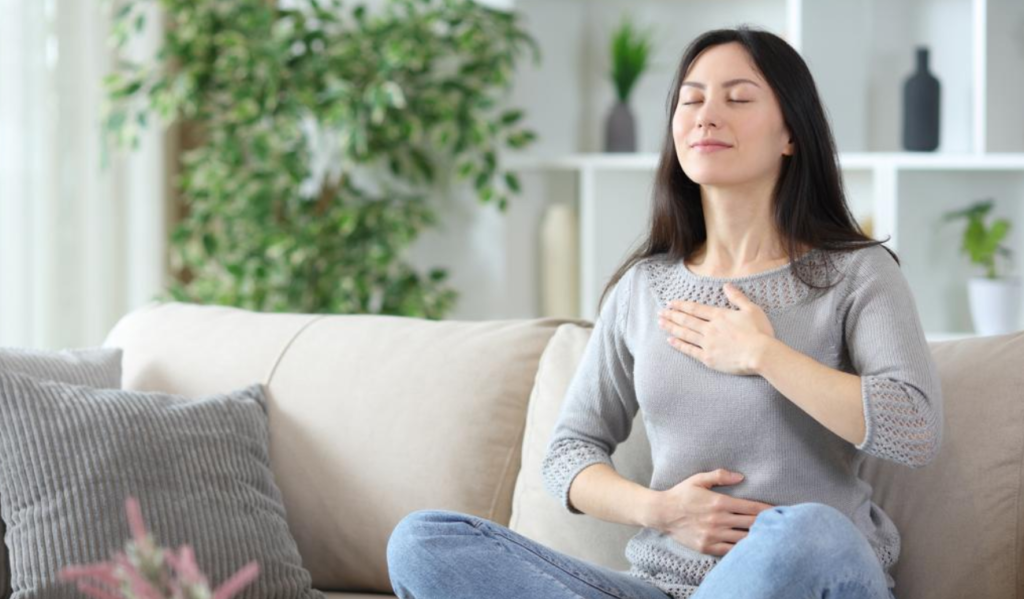
1. Practice Deep Breathing
Slow, deep breathing can help calm your body during stressful moments.
Try this:
- Inhale for 4 seconds.
- Hold for 4 seconds.
- Exhale slowly for 6 seconds.
- Repeat for 5 minutes.
2. Exercise Regularly
Physical activity may help reduce stress and improve mood.
Good options include:
- Walking
- Cycling
- Yoga
- Swimming
- Stretching
Aim for at least 30 minutes on most days.
3. Improve Sleep Habits
Poor sleep can make anxiety feel worse.
Helpful habits:
- Go to bed at the same time each night.
- Avoid screens before bedtime.
- Keep your bedroom cool and quiet.
- Limit caffeine late in the day.
4. Eat a Balanced Diet
Choose nutritious foods such as:
- Fruits
- Vegetables
- Whole grains
- Lean proteins
- Nuts and seeds
Limit excess caffeine, sugary drinks, and alcohol if they worsen your symptoms.
5. Try Mindfulness
Mindfulness helps you focus on the present instead of worrying about the future.
You can:
- Meditate for 10 minutes daily.
- Practice gentle yoga.
- Keep a gratitude journal.
Healthy Daily Habits
- Stay hydrated.
- Spend time outdoors.
- Talk with supportive friends or family.
- Limit excessive social media use.
- Break large tasks into smaller steps.
When to Seek Professional Help
Home strategies can be helpful, but they are not a replacement for professional care. Contact a healthcare provider if:
- Anxiety lasts for weeks or months.
- Symptoms interfere with work, school, or relationships.
- You experience panic attacks.
- You avoid normal daily activities because of anxiety.
If you ever have thoughts of harming yourself or feel unable to stay safe, seek emergency medical care or contact local emergency services immediately.
Frequently Asked Questions
Can anxiety go away naturally?
Some people improve with healthy lifestyle changes, while others benefit from therapy, medication, or both.
Is exercise good for anxiety?
Yes. Regular exercise may reduce stress and improve overall mental well-being.
Does caffeine make anxiety worse?
For some people, large amounts of caffeine can increase anxiety symptoms.
How much sleep should adults get?
Most adults benefit from about 7–9 hours of sleep each night.
Can meditation help?
Many people find mindfulness and meditation helpful for managing stress and anxious thoughts.